What are the Requirements to Work on a Cruise Ship? (Step by Step)
Got Hired? Required Steps to Take Before Joining Your Next Ship!
You did your research, wrote a great resume, and sweated through all the interviews. Finally, a job offer was extended to you. Congratulations! You are halfway there. The requirements for working on a cruise ship can differ from those for a land-based job. Working on a cruise ship requires a lot more pre-employment paperwork than a regular job on land. This guide applies to most major cruise lines
Quick Checklist: Cruise Ship Job Requirements
- Valid passport (6+ months)
- C1/D crew visa (if applicable)
- Pre-employment medical exam (PEME)
- Criminal background check
- STCW certification
- First Aid / CPR (some roles)
- Seaman’s Book (some nationalities)
- MMC & TWIC (U.S. citizens on U.S.-flagged ships)
Last updated:2025
Do You Need a Passport to Work on a Cruise Ship?
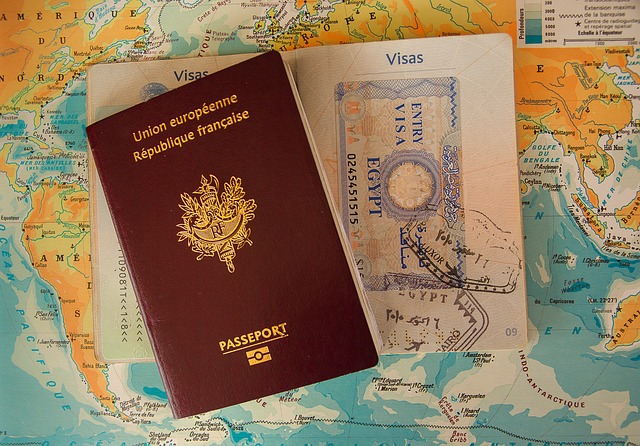
Let’s start with the obvious: you need a passport. This little book is your ticket to the world. If you don’t already have one, get on it ASAP because processing times can vary. Make sure your passport has at least six months of validity before it expires. Some countries won’t even let you in without that buffer!
Tip: If you already have a passport, double-check that it’s not about to expire soon. Most cruise lines recommend at least 12 months of validity to avoid delays when itineraries change.
C1/D Crew Visa Explained: What It Is and Who Needs It
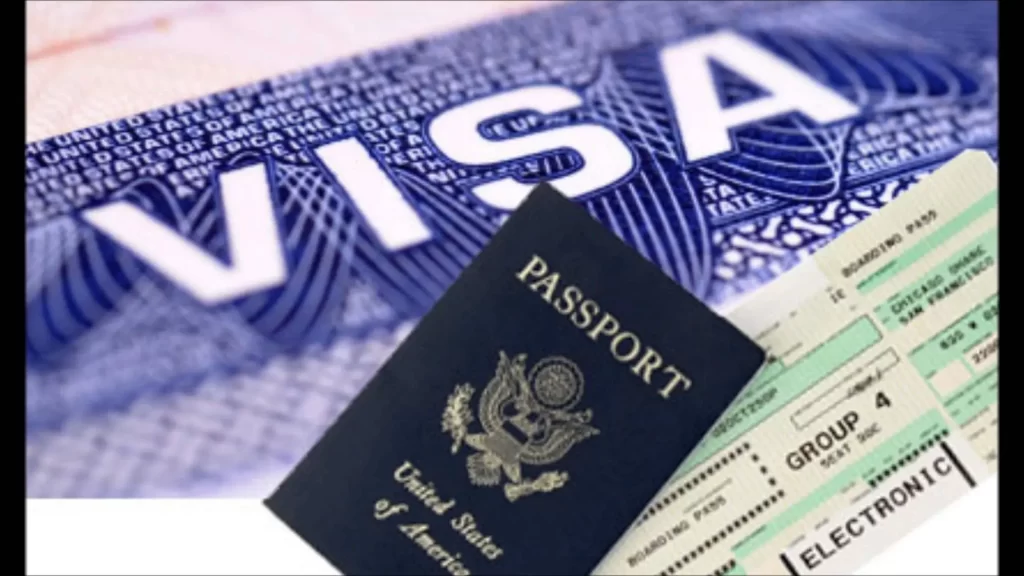
The C1/D visa is a specific type of visa required for anyone working on a cruise ship or as a crew member for airlines and vessels that travel through U.S. ports or airports. The C1 portion of the visa is for transit through the United States, while the D visa is for individuals who are part of a ship or airline crew, allowing them to work temporarily in the U.S. while onboard.
Do I need a C1/D visa if working on non-US ports?
If you’re working on a cruise ship that operates exclusively on non-US itineraries (never entering US ports or waters), you typically won’t need a C1/D visa. If your cruise company has itineraries in the US, they might still require you to apply for the visa.
Do You Need a C1/D Visa If You Already Have a Tourist Visa?
Yes, even if you have a valid tourist visa (B1/B2) for the United States, you still need a C1/D visa if you plan to work on a cruise ship or any vessel operating in U.S. waters. A tourist visa only allows you to enter the U.S. as a visitor, not for work. The C1/D visa specifically permits you to transit and work as a crew member while in U.S. ports.
How to Apply for a C1/D Crew Visa (Step-by-Step)
- Complete Form DS-160: This is the standard online application form for a U.S. non-immigrant visa.
- Pay the Application Fee: The fee for the C1/D visa is typically around $185.
- Schedule an Interview: You’ll need to book an interview at a U.S. embassy or consulate in your home country.
- Attend the Interview: Bring along your passport, job offer letter, and any other required documents. The interview is usually straightforward, and as long as you meet the requirements, the visa is granted.
- Visa Issuance: Once approved, your visa will be stamped in your passport, and you’re ready to join your ship.
- Visa Expiration: The C1/D is typically a multiple-entry visa valid for up to 5 years, allowing repeated crew travel during that period.
Pre-Employment Medical Exam (PEME): What Cruise Lines Check

Cruise lines will require you to undergo an extensive pre-employment medical checkup (PEME) before they can officially extend an offer letter to you.
Before you step on board, you’ll need to pass a medical evaluation. And no, it’s not just about checking your blood pressure. Cruise lines need to ensure that you’re fit to handle the physical demands of life at sea.
Each cruise line may have its list of medical requirements, but the general idea is to ensure you’re in tip-top shape for those long days of hard work (and fun!).
What tests are included in a PEME
Some of the requirements vary from company to company, but the most common are:
- Chest X-Ray
- Blood work
- Urinalysis
- Hepatitis B (HSAG)
- Pap Smear (Females Only)
- Drug Screen
- Vision Exam
- Hearing exam
- Immunization records
- Physical check-up.
PEME must usually be completed at a cruise-line-approved clinic. Costs vary by country and clinic and may or may not be reimbursed fully by the cruise line.
Medical conditions that require clearance
If you will be working with kids, you must have your immunization records. Also, if you had any previous surgeries, the cruise line medical department will ask for a waiver from your physician attesting that you are fit to work and that your previous surgery will not impede your ability to perform your functions.
Prescription medication rules onboard
If you have or are taking prescription medications, the cruise line will want to make sure that you’re going to have enough medication to cover for the duration of the contract, as they will not provide medication for most cases.
Want to Know How Much Cruise Ship Crew Really Make?
Discover real cruise ship salaries by job role, plus how crew save money, get paid, and manage expenses while working at sea.
Updated for 2025 • Real crew experience • No fluff
Criminal Background Checks for Cruise Ship Jobs
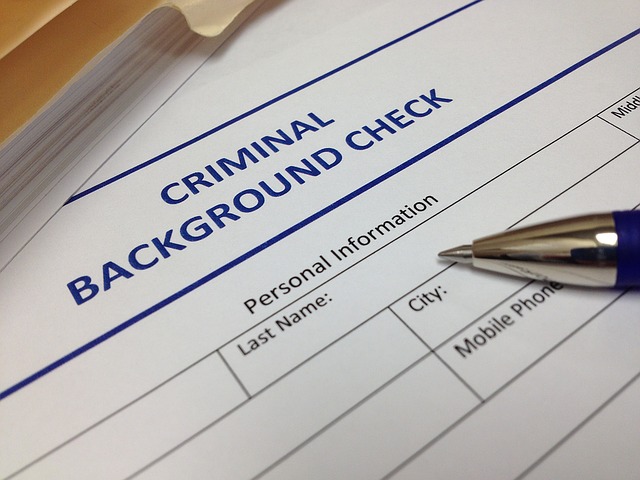
Normally, the cruise lines will start the background check as soon as they have decided to offer you a position, but before an official letter of employment is sent to you. They want to make sure that you don’t have any past convictions that could jeopardize your employment.
Local vs international background checks
Some companies might be satisfied with a local background check in your country, but the majority of the cruise lines will ask you to complete an international background check. If your company is a US-based company, which most of them are, you will be completing an FBI background check, and depending on your country, it can take a few weeks for the background check to clear. The cruise line will provide all the necessary forms for you to complete, sign, and send back to them to start the background check.
The background check will verify your criminal history, and for your work history, it will be for the past five years. A past issue doesn’t always mean automatic disqualification — each cruise line reviews cases individually.
How long do background checks usually take?
Once the background check is cleared, you will officially receive the letter of employment and the required documents to apply for your visa. The background check might take some time to complete, so it makes sense that cruise lines want to get everything else in order instead of waiting for it to clear. Depending on the complexity of your background check, it can take from as few as two weeks to as long as two months.
STCW Certification: Mandatory Safety Training for Cruise Ship Crew
STCW stands for The International Convention on Standards of Training, Certification and Watchkeeping for Seafarers (or STCW). It’s a required certification that every crewmember must possess while working on a cruise ship or any seagoing vessel. It provides you with the necessary training in the event of an emergency.
This certificate is essential for anyone working on cruise ships and vessels. It covers important topics like firefighting, personal survival techniques, and first aid.
The good news is that many cruise lines offer STCW training as part of their onboarding process, but you can also get it on your own through a certified maritime training center. If your cruise line requires you to pay out of pocket for this certificate before joining the ship, expect to spend between $800 to $900 for the STCW certificate if taken in the USA. The price might vary from country to country. Some cruise lines deduct the cost from the first paycheck
STCW Training Modules Explained
Personal Survival Techniques:
This was my favorite part of the whole course. This module is focused on basic and essential survival at sea.
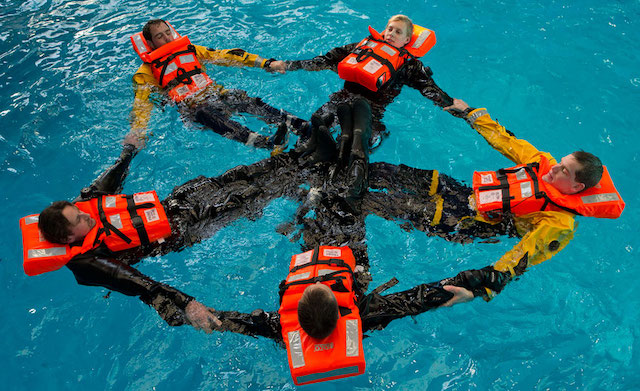
- The correct way to evacuate the ship
- How to flip a life raft that is capsized
- How to use the necessary tools inside the life raft
- Survival and rescue techniques.
Fire Prevention and Basic Firefighting
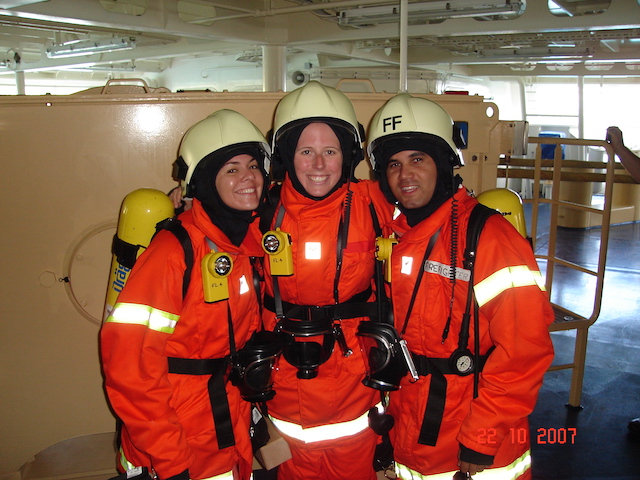
Yep, you’ll actually learn how to put out fires! This module covers both the theory and practice portions of the STCW Fire Prevention and Basic Firefighting. You will first learn about the following:
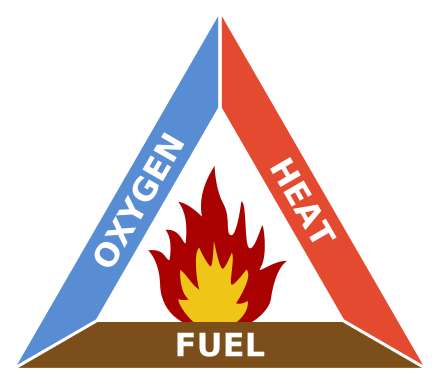
- Types of fire hazards encountered onboard,
- How to correctly use and identify fire extinguishers
- How to identify the different types of fire
- The fire triangle
- Types of chemicals react with what kind of fire
The practice part of this module involves how to identify and use breathing apparatus, how to use a fire blanket, and how to properly handle and put out a live fire using the correct fire extinguisher.
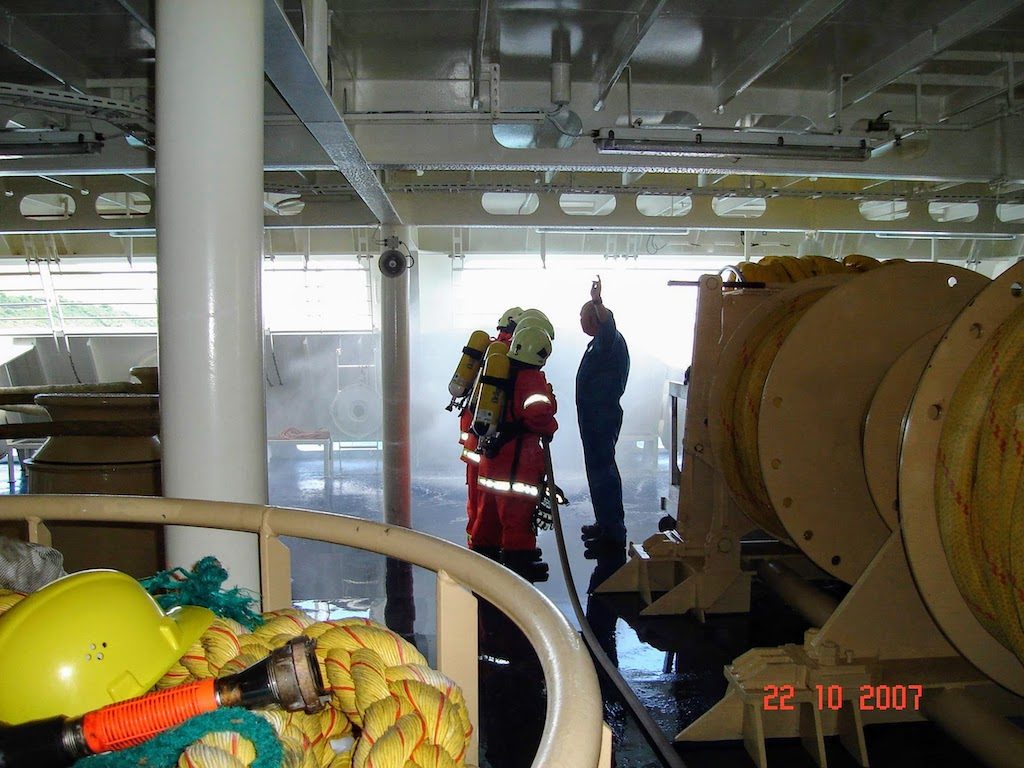
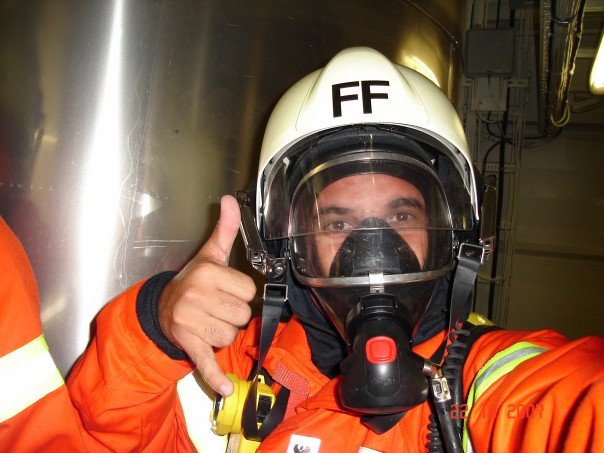
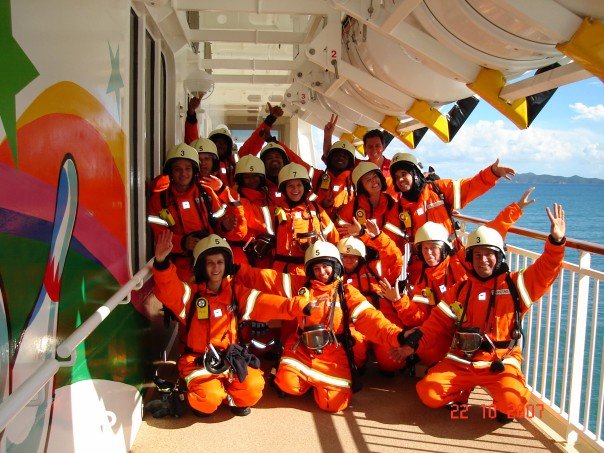
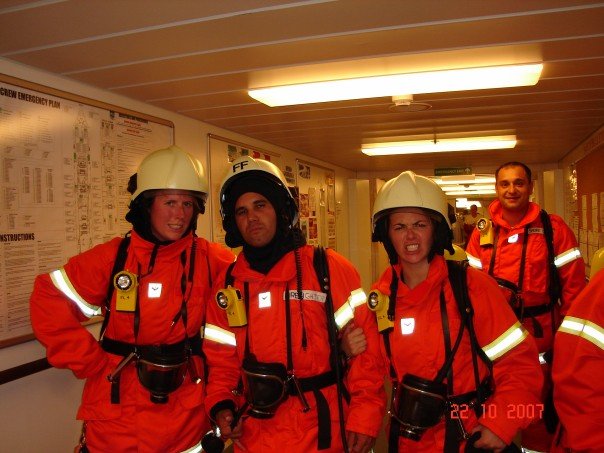
You will have to use a full firefighting suit with a self-contained breathing apparatus or SCBA. This is by far the most fun part of the firefighting training, in my opinion, but I can see that some people didn’t enjoy it as much because you have to wear the SCBA the entire time without freaking out or trying to scratch your nose. Trust me, your nose will itch as soon as you can’t itch it.
First Aid and CPR Certification
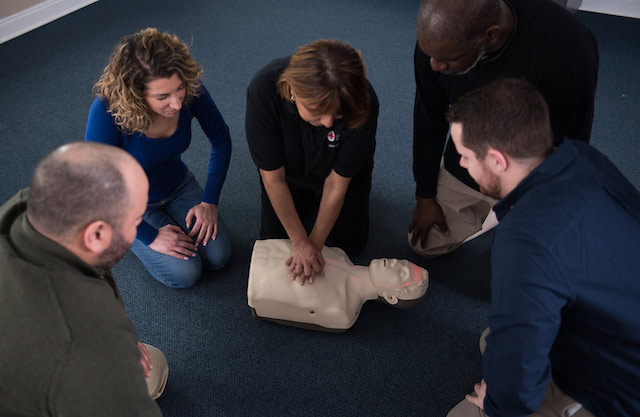
Many cruise lines require First Aid and CPR certification. It’s pretty self-explanatory—you’ll learn how to provide life-saving care in emergencies. You will learn how to perform basic first aid procedures, such as cuts and burns. You will also learn how to perform CPR (Cardiopulmonary resuscitation) in both adults and kids. The CPR portion of the course will involve performing CPR on a mannequin.
Pro-tip: Even if it’s not required for your role, knowing First Aid and CPR could make you a hero one day. Plus, it shows your employer that you’re serious about safety.
STCW Personal Safety and Social Responsibility
This portion of the course covers the following:
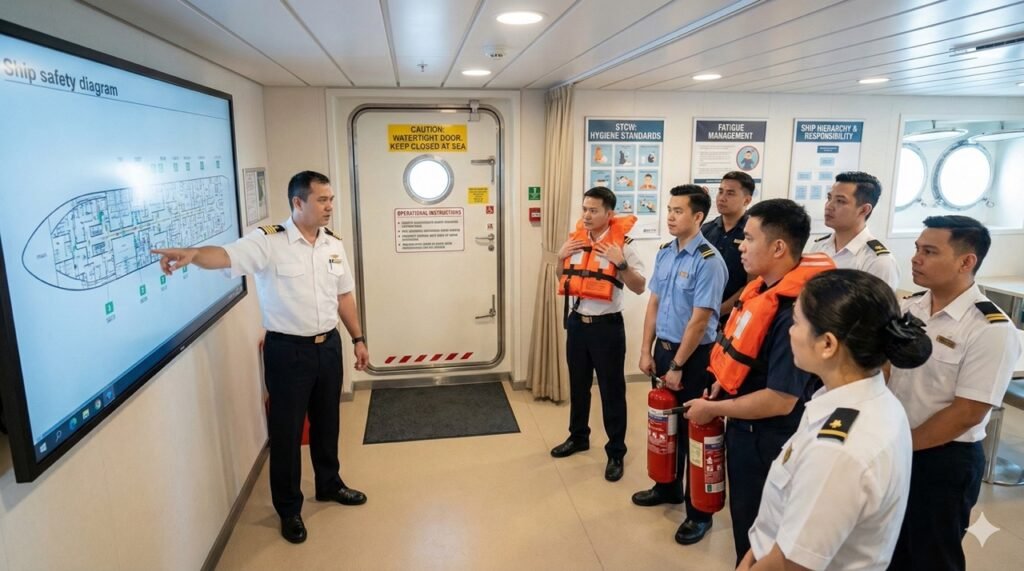
- Personal hygiene
- Ship management hierarchy
- Emergency escape routes
- How to use and operate watertight doors
- Safe Working Practices
- Fatigue control
- and more
The whole STCW certification course is taught mostly in the classroom, except for the survival skills, where you’ll be in the swimming pool. The whole course should take about two weeks to complete. There’s a test at the end that you need to pass to obtain the certificate. Failure to pass the test will result in taking the test again, with the chance of being fired if unable to obtain the certificate after retesting.
The test is not hard at all, but it could be a challenge if you are not used to taking tests in English. Here’s a video that provides an overview of what you can expect when you enroll in this course.
How STCW Renewal Works After 5 Years
The STCW Basic Safety Certificate is valid for five years and must be renewed to continue working onboard cruise ships and other seagoing vessels.
In most cases, crew members do not need to repeat the full STCW course when renewing.
Instead, experienced crew may:
- Complete short refresher courses
- Test out of specific modules through practical or written assessments
- Use recent sea service to meet renewal requirements
Renewal typically focuses on core safety modules such as:
- Personal Survival Techniques
- Fire Prevention and Firefighting
- Elementary First Aid
- Personal Safety and Social Responsibility
Refresher training is usually shorter, faster, and less expensive than the original course. Requirements can vary by country and training provider, so always confirm with an STCW-approved maritime training center or your cruise line’s crewing department.
Additional First Aid & CPR Requirements for Youth Staff

If your job onboard will be at the youth center, you will be required to have a first aid and CPR course before you join the ship. Although the STCW training does cover First Aid and CPR, the cruise line will require that you provide them with a valid First Aid and CPR certificate valid for the duration of your contract, even though you might already have the STCW certification. You can easily get a First Aid and CPR certification at any Red Cross.
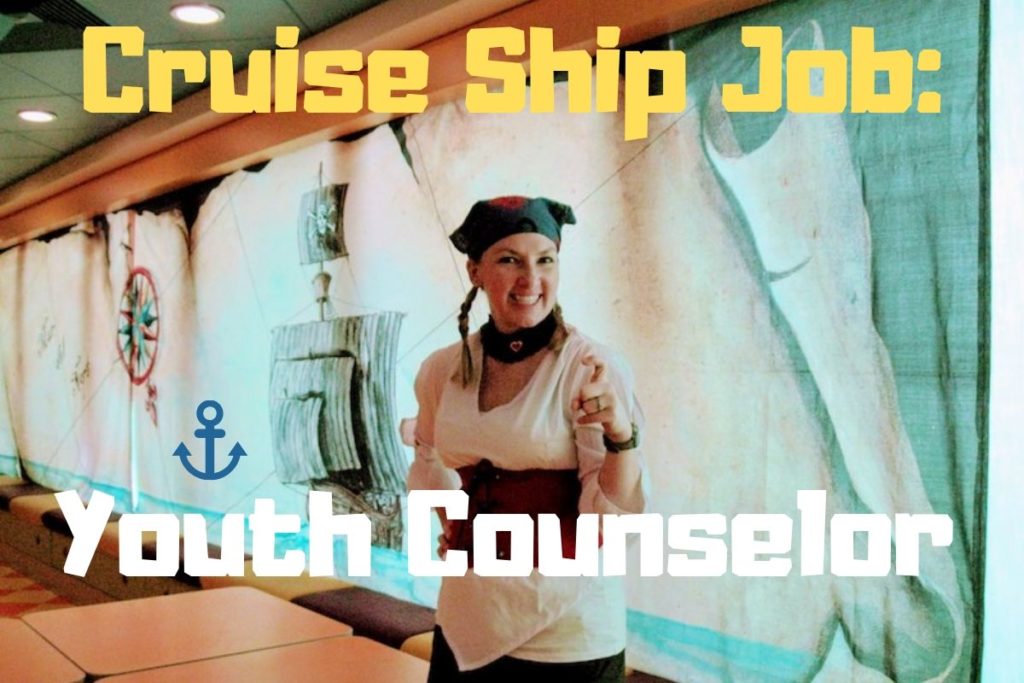
A Day in the Life of a Youth Counselor
Want to learn more about what it’s like to work on a cruise ship as a Youth Counselor? Learn why the job of a Youth Counselor is one of the best ones on the ship!
Do You Need a Seaman’s Book to Work on a Cruise Ship?
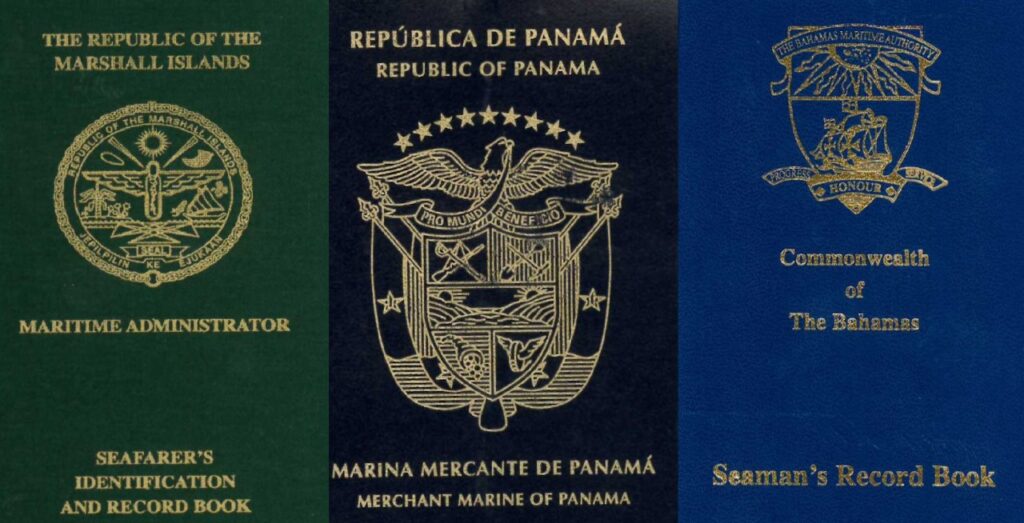
During my career working on cruise ships, I heard about seaman service books, but I was never obligated to have one; therefore, I never had one. I know that having a seaman’s book it’s very helpful when traveling abroad, it also works as a tool to record your work career at sea. The company you work for will let you know if a seaman’s book is required and where to apply for one.
Who is required to have a Seaman’s Book
Some countries require a Seaman’s Book for crew members, and many cruise lines will request it. This official document is proof that you’re a legitimate seafarer. Not all nationalities need it, but it’s worth checking if your country does.
- If you’re from a country that requires it, apply through your local maritime authority.
- It’s usually valid for several years, and it’ll get stamped every time you join a ship, adding to your credentials.
Pro-tip: Even if you’re from a country where it’s not mandatory, having a Seaman’s Book can make you more attractive to employers. It’s like adding another gold star to your resume!
Additional Cruise Ship Requirements for U.S. Citizens
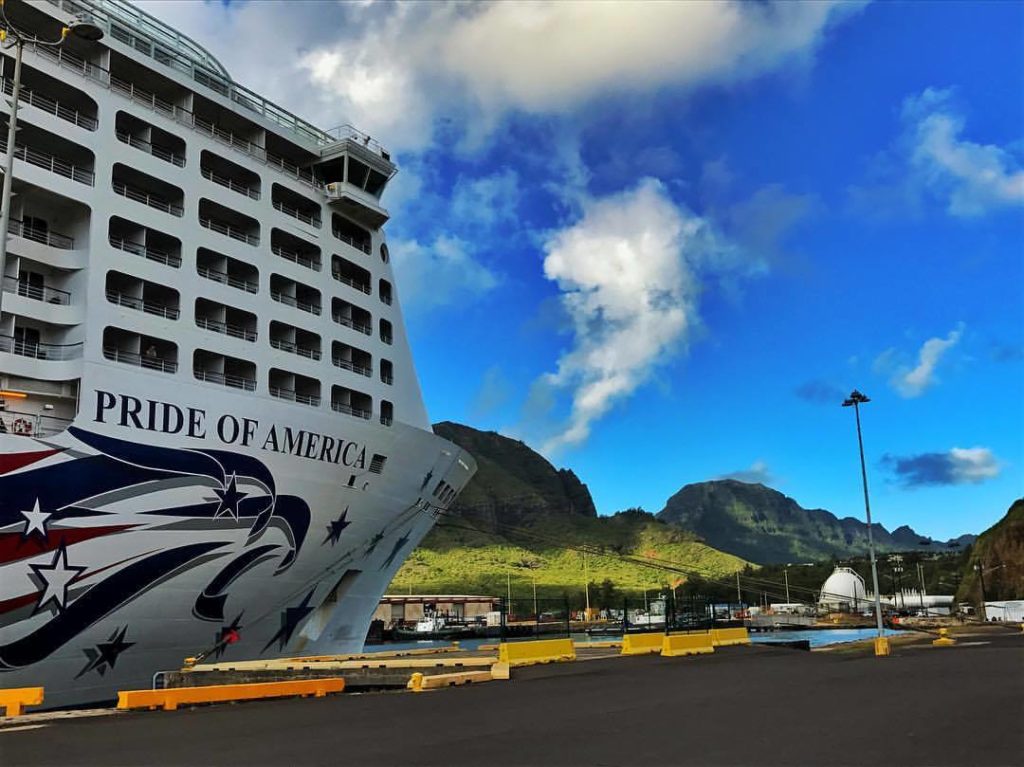
If you will be working on a US-flagged ship, currently the only major US-flagged ship it’s the Pride of America, owned by NCL and sailing out of Hawaii on 7-day cruises to visit all the islands. The majority of cruise lines have ships registered in different countries and therefore don’t need to follow US labor laws. As a US-flagged ship, the cruise line has to follow US labor laws, meaning that the majority of the crew members need to be US citizens or permanent residents. There are some crew members not from the US, but it’s a small percentage when compared to non-flagged US ships.
If you will be working for Norwegian Cruise Line on the Pride of America or any other US-flagged ship, you will be required to have a valid MMC (Merchant Mariner Credential) book and a TWIC (Transportation Worker Identification) card.
Merchant Mariner Credential (MMC) Explained
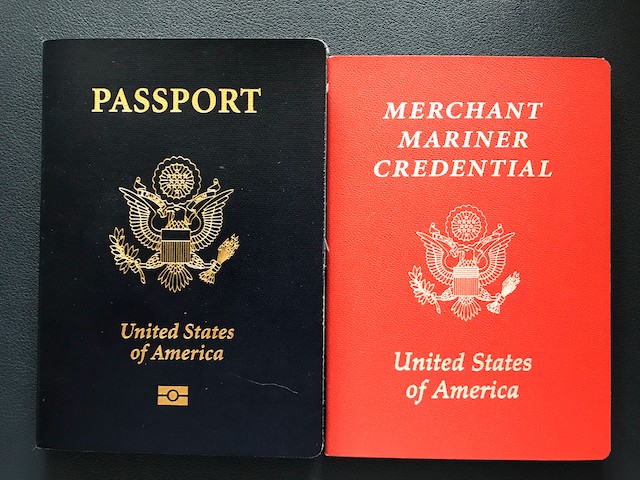
The Merchant Mariner Credential (MMC) is issued by the United States Coast Guard in accordance with the International Convention on Standards of Training, Certification and Watchkeeping for Seafarers (STCW). It’s only issued to United States seafarers. The MMC is the standard documentation required for all crew members of U.S. ships. You are still required to complete the STCW certificate, but it has to be at an approved US Coast Guard facility.
How to Apply for an MMC (U.S. Citizens)
- Apply to the U.S. Coast Guard’s National Maritime Center.
- Provide proof of identity, citizenship, and medical fitness.
- Pass a drug test.
- Complete any required training and certifications, which may vary based on your role.
Once you’ve completed the application, they’ll issue your MMC, which is valid for five years.
TWIC Card: When It’s Required for Cruise Ship Work
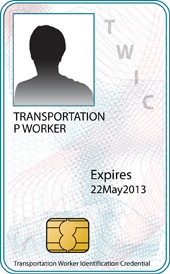
The Transportation Worker Identification Credential (TWIC) card is issued to U.S. citizens and immigrants in certain immigration categories. You are required to have this credential visible when transiting around port facilities, exiting, and entering the port, and it is required mainly for U.S.-flagged ships and port access, not international fleets. The TWIC card has to be renewed every five years
To learn more about how to obtain a Transportation Worker Identification Credential (TWIC), please visit the TSA website
Additional Requirements to Prepare Before Joining a Cruise Ship
Drug and Alcohol Testing (Pre-Employment Readiness)

Cruise lines operate under strict zero-tolerance drug and alcohol policies, and many companies require crew members to complete a pre-employment drug test before joining the ship. Additionally, random testing is common on board, often without prior notice.
Before joining, make sure you:
- Avoid any prohibited substances well in advance
- Disclose prescribed medications to your recruiter or medical provider
- Understand that a failed test can result in immediate termination, even before your first day onboard
Being proactive and transparent helps prevent last-minute disqualification.
Vaccination and Immunization Preparation
While vaccination policies vary by cruise line and itinerary, many crew members are required to show proof of routine immunizations before joining. This is especially important for those working in youth programs, food service, or healthcare-related roles.
Before joining, you should:
- Gather vaccination records (MMR, tetanus, hepatitis, etc.)
- Confirm if your cruise line has specific requirements
- Ensure documents are translated if needed
Vaccination requirements can change quickly, so always follow your cruise line’s instructions.
English Language Readiness
English is the working language onboard most cruise ships, especially for safety drills, emergency commands, and training sessions. Even if your role is not guest-facing, you must be able to understand and respond to instructions in English.
Before joining, it’s a good idea to:
- Practice basic safety and workplace vocabulary
- Be comfortable following spoken instructions
- Review common maritime terms used onboard
Strong English comprehension helps you pass training, avoid misunderstandings, and integrate faster into ship life.
Employment History and Document Verification
Cruise lines may verify your previous employment, certifications, and references before issuing final joining instructions. Any inconsistencies can delay or cancel your deployment.
Before joining, make sure:
- Your resume matches your application details
- Employment dates are accurate
- Certificates and licenses are valid and up to date
Having clean, organized documentation speeds up the onboarding process and builds trust with recruiters.
Joining Instructions and Travel Documents
Once your paperwork is approved, the cruise line will send joining instructions, usually a few days or weeks before embarkation. These documents are essential and should be reviewed carefully.
Before traveling, confirm you have:
- Your official joining letter
- Travel itinerary and flight details
- Port agent contact information
- Emergency contact numbers
Missing or incorrect joining documents can result in denied boarding, even if all other requirements are complete.
Appearance, Grooming, and Uniform Preparation
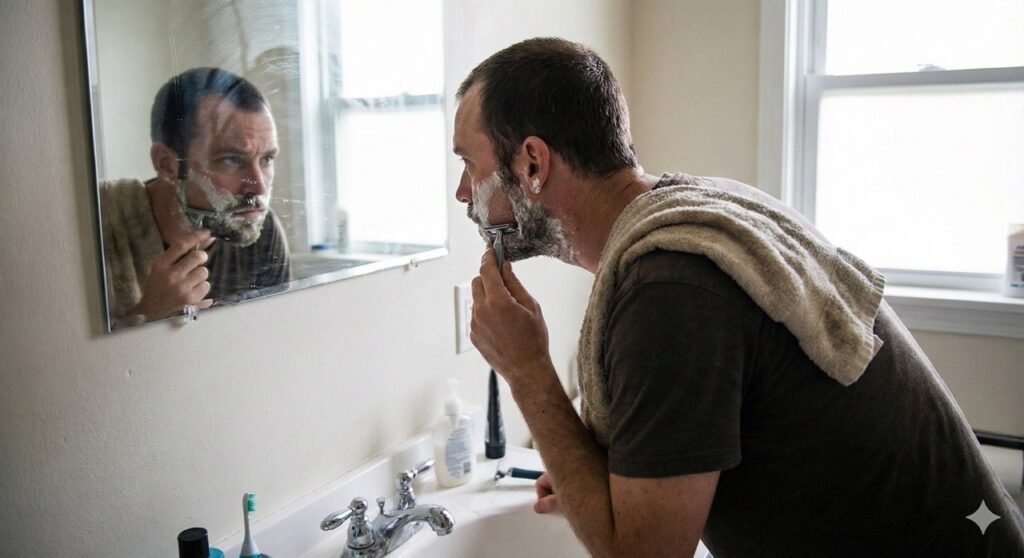
Cruise lines enforce strict grooming and appearance standards, and crew are expected to meet them from day one. Some uniform items are provided onboard, but others must be brought with you.
Before joining, you should:
- Review grooming policies (hair, facial hair, tattoos, piercings)
- Pack required shoes or uniform basics
- Avoid extreme changes in appearance before embarkation
Arriving compliantly avoids unnecessary stress during your first days onboard.
Financial Preparation Before Joining
Working on a cruise ship involves upfront expenses that many first-time crew members underestimate. Your first paycheck may also take several weeks to arrive.
Before joining, it’s wise to:
- Budget for visa, medical, and travel-related costs
- Have emergency funds available
- Inform your bank about international travel
Financial preparation helps you focus on training and settling in, instead of worrying about money during your first contract.
Final Words
Working on a cruise ship is more than just a job; it’s an adventure. But before you get to the fun part, you’ve got to get your paperwork in order. Here’s a quick checklist to make sure you’re good to go:

Getting ready to work on a cruise ship can be a daunting task, especially when it seems that you do not have enough time to complete all the required paperwork before you can join your assigned ship. Some things will be out of your control, but on top of the ones you can control, and in no time, you will be sailing the seven seas, seeing awesome places while getting paid to do it. Also, don’t forget that you will have to work hard, but the payoff is worth it.
Safe travels, and we’ll see you at The Crew Hangout!
“A Ship is safe in the harbor but that’s not what ships are built for.”
William G.T. Shedd